There is a moment in every commission where the drawing stops being useful and the material begins to lead. Good workshops learn to listen at that moment. It is the difference between furniture that is manufactured and furniture that is made.
The discipline of doing less
Ornament is easy. Proportion is hard. Almost every piece we design goes through a stage where the answer is not another detail but the removal of one a thinner edge, a longer unbroken line, a joint left honestly visible rather than hidden under veneer.
Made-to-order changes the incentive completely. We are not producing a thousand units and hoping; we are producing one, for a person whose room we have measured and whose habits we have asked about. There is nowhere for a careless decision to hide.
“Furniture as an heirloom, not an expense.”
Materials chosen for their second life
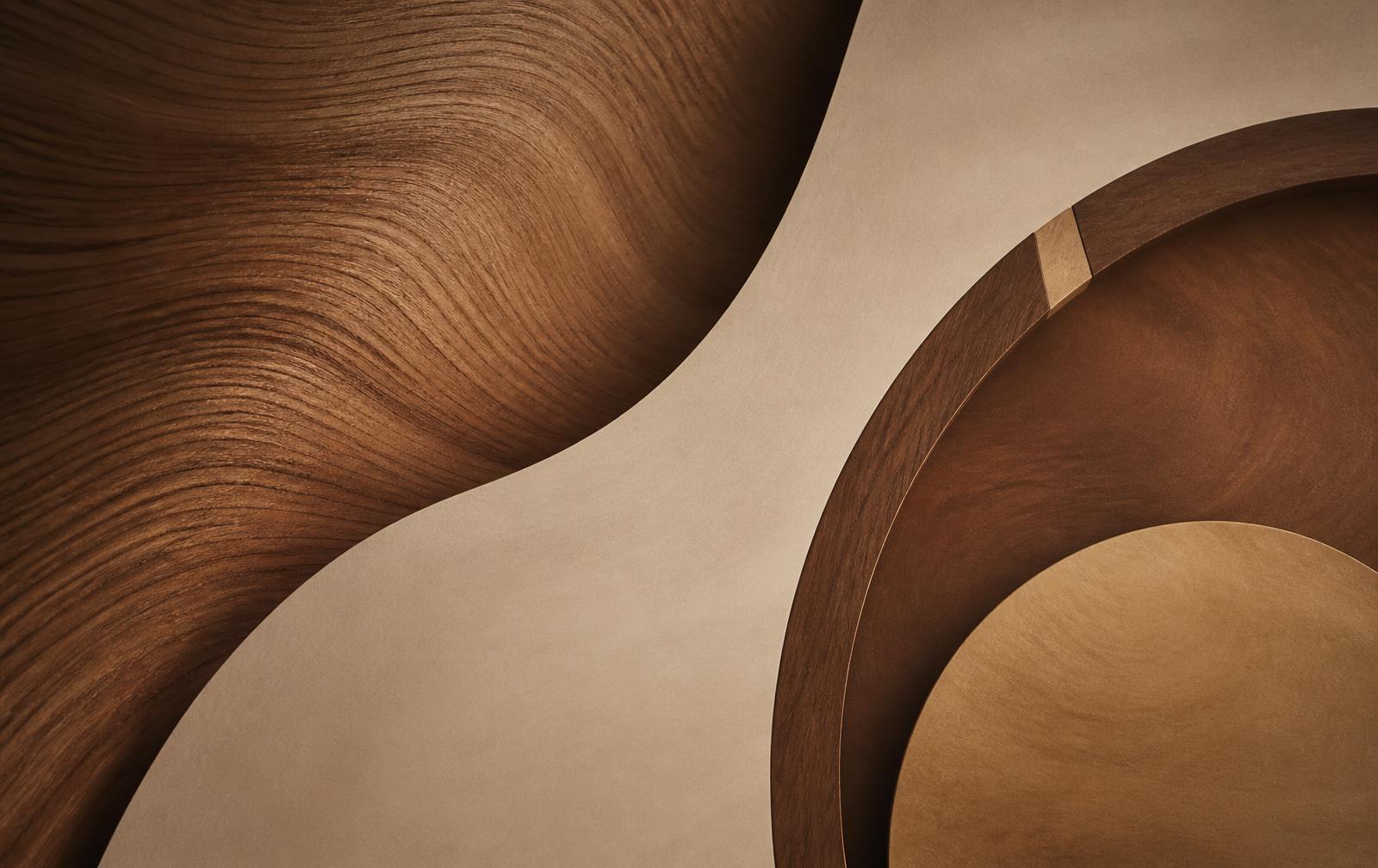
We select timber, leather and stone on the basis of how they will look after twenty years, not twenty days. Solid wood moves, patinas and can be refinished. Composites cannot. That single distinction determines whether a piece is an expense or an inheritance.
It also determines repairability. Every Ardevaé piece is built so that a worn component can be replaced by a maker rather than condemning the whole object. Repair is the most under-rated feature in luxury.
Time as an ingredient
A hand-rubbed finish takes days that a spray booth takes minutes to approximate. The approximation is convincing under showroom light and unconvincing under a decade of morning sun. We build for the morning sun.
In conclusion
The workshop's ambition is modest and difficult: to make objects that a family argues over inheriting. Everything else the materials, the joinery, the extra week — is simply what that ambition costs.